
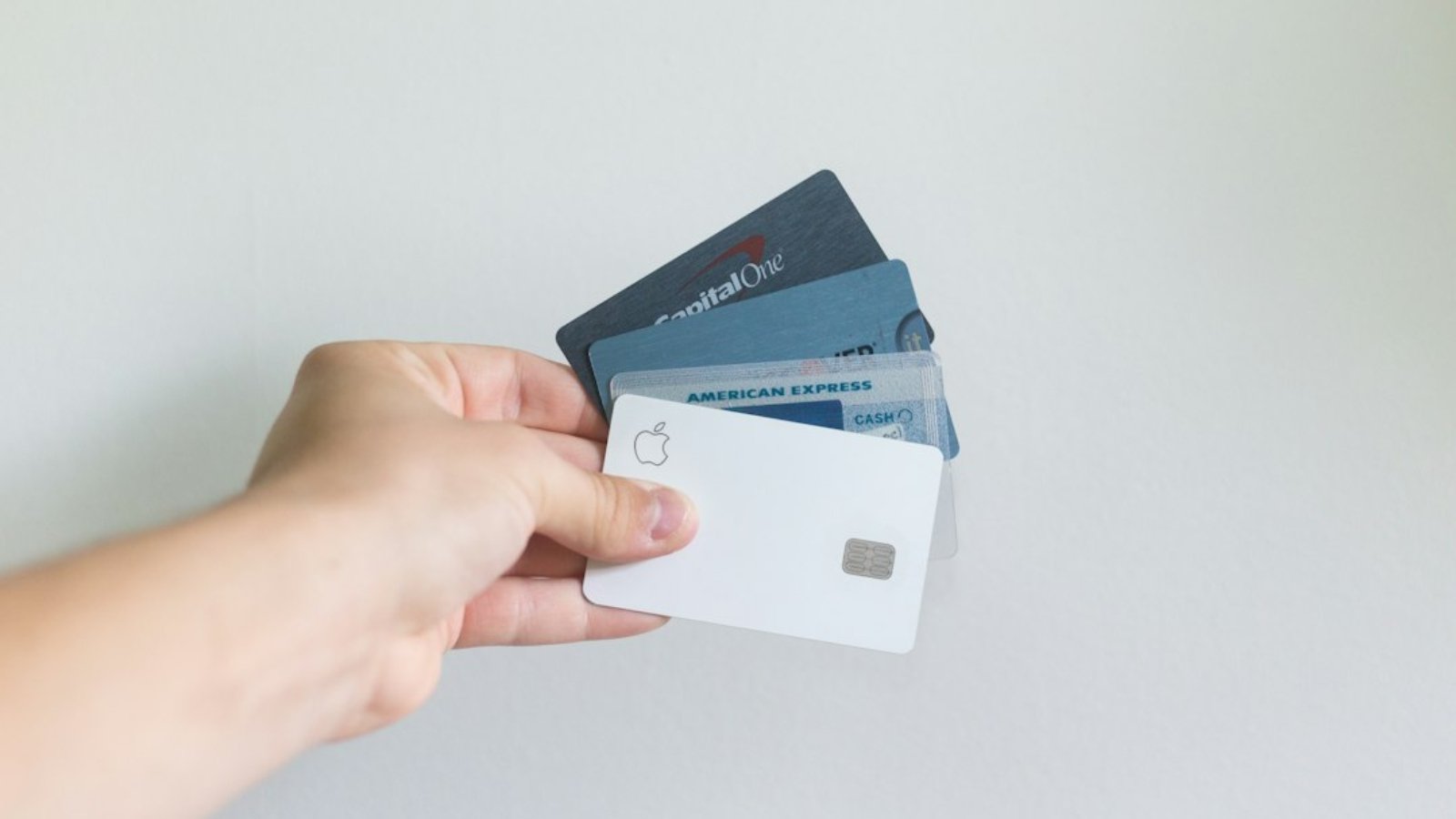
For years, putting a foreign purchase on a Canadian credit card felt like a mild penalty. You’d buy a coffee in Paris or book a hotel in New York, and a cool two and a half percent conversion fee would quietly tack itself onto the bill. It added up fast. If you spent five thousand dollars abroad on a trip, you were handing the bank over a hundred bucks just for the privilege of using your own money.
That is finally starting to shift.
Major Canadian financial institutions are rolling out updates to their premium travel cards. We are seeing two big perks land in the market: zero foreign transaction fees and annual travel statement credits that actually make a dent in the card’s yearly fee. It is a noticeable pivot from the banks, and honestly, it is about time.
The Math Behind the New Perks
Let’s look at how these changes actually play out in real life. Say you are planning a family vacation to Florida. You are booking flights, renting a car, and paying for meals in USD. On a traditional Canadian card, that two and a half percent foreign exchange bite eats into your travel budget before you even pack your bags.

With the new wave of cards dropping the FX fee, that cost disappears. When you combine that savings with a built-in annual travel credit—say, a couple hundred bucks back each year when you book a flight or a hotel through the bank’s portal—the math changes.
Suddenly, a card with a steep annual fee starts to look a lot more reasonable. If you travel even once or twice a year, these credits and fee waivers can completely offset the cost of holding the plastic. The banks aren’t doing this out of the goodness of their hearts, of course. Competition is fierce, and fintech disruptors have been stealing their lunch by offering cheaper cross-border spending.
Are There Catches?
Of course there are. Banks don’t give away perks for free. When you dig into the fine print, you’ll usually find a few trade-offs.
First, the annual fee on these upgraded cards tends to sit on the higher side. You have to actively use the travel credits to make it worth your while. If you forget to use that annual credit before the year rolls over, you lose it. The bank wins.
Second, point earn rates can sometimes get a haircut when banks add these new benefits. You might earn slightly fewer points per dollar on everyday spending like groceries or gas compared to older card models. You have to decide what matters more to you: racking up points for a free flight down the road, or saving hard cash right now on every foreign purchase.
How This Interacts With Your Personal Finances
Credit card perks are great, but they are only worth chasing if your financial foundation is solid. Chasing travel rewards makes zero sense if you are carrying a balance from month to month. The interest rate on a premium travel card will easily wipe out any savings you get from waived foreign transaction fees or annual travel credits.
Treat these cards like debit cards that happen to offer rewards. Pay the balance in full every single month. If you can’t trust yourself to do that, stick to a low-interest card and skip the travel perks entirely.
There is also the tax angle to consider if you are using credit cards for business expenses. While personal credit card rewards generally aren’t taxable in Canada, keeping your personal and business spending separate is crucial if you are self-employed or running a corporation. Mixing them up creates a massive headache when tax season rolls around and your accountant has to sort through personal flights mixed in with business software subscriptions.
Choosing Your Next Move
Before you rush out and apply for the newest shiny card on the market, take a hard look at your actual habits. Look at your bank statements from last year. How much did you actually spend in foreign currencies? How many times did you hop on a plane?
If you are a homebody who rarely leaves the province, a travel card with zero foreign transaction fees is completely useless to you. You’d be better off with a cash-back card that puts money straight into your bank account on grocery and gas purchases.
Credit card portfolios should fit your life, not the other way around. Every financial situation is unique. If you aren’t sure whether your current card setup makes sense given your income, spending, and upcoming plans, talk to a professional who can look at the whole picture. A quick chat with a qualified advisor can save you hundreds of dollars in unnecessary fees and help you pick the right tool for your wallet.
Add a Comment