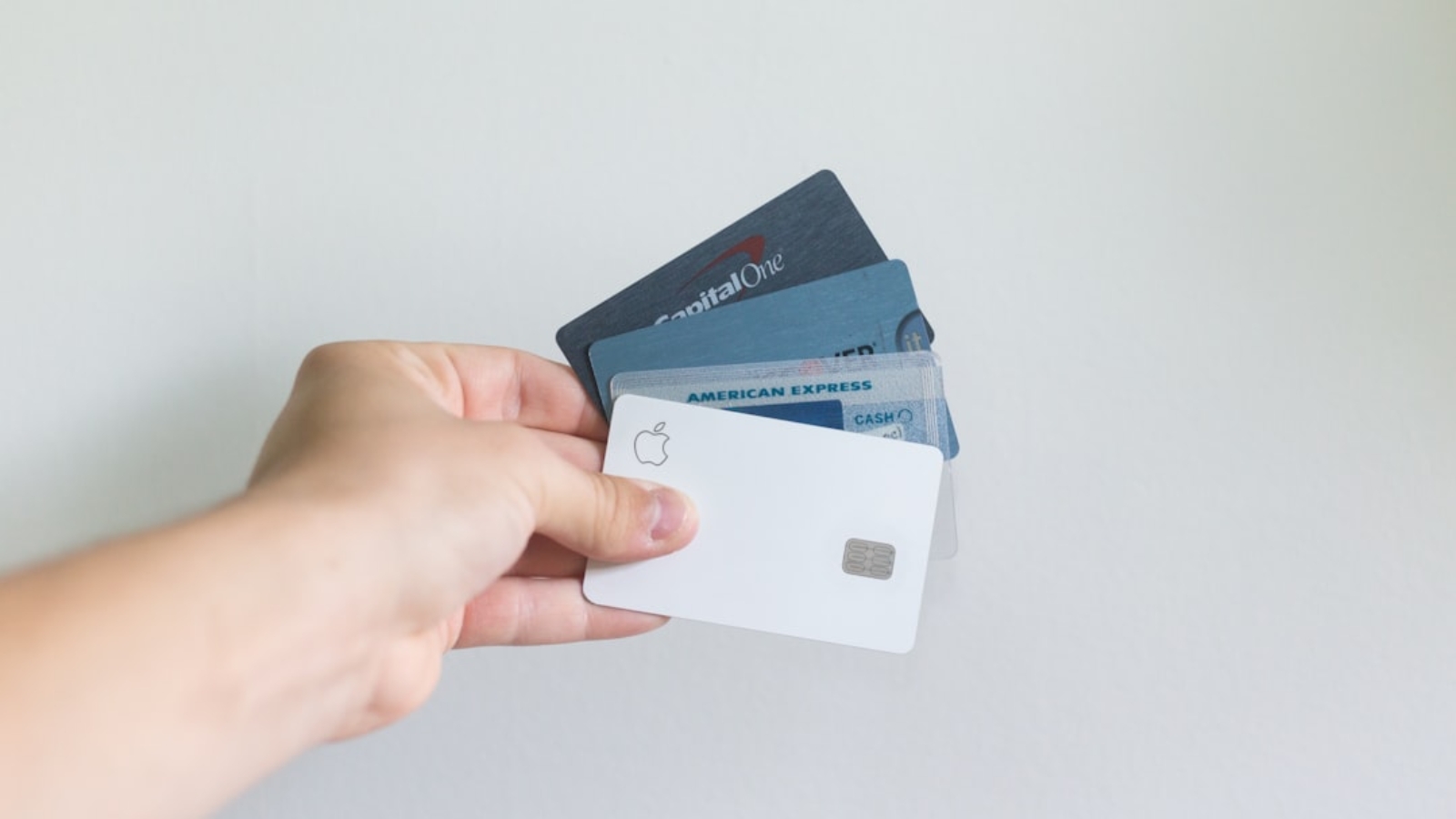
The Invisible Weight of Plastic
Most of us don’t wake up one morning and decide to ruin our credit score. It happens slowly. You grab a coffee on the debit card, throw groceries on the Visa, and figure you will pay it off when the next paycheque hits. Then your car needs new brakes. Suddenly, that credit card balance isn’t disappearing at the end of the month. It sticks around.
Interest starts compounding. That is when the trap snaps shut.
Debt isn’t just numbers on a screen. It changes how you live your life. You start dreading checking your banking app. You pass on weekend trips with friends because the account is too tight. Worst of all, you pay hundreds of dollars a year just for the privilege of borrowing money. Banks love this cycle. Canadians, unfortunately, are getting really good at funding bank profits.
Why Minimum Payments Keep You Poor
Let’s look at a realistic scenario. Sarah is a marketing coordinator in Calgary. She racks up a five-thousand-dollar balance on her rewards card after a rough few months of unexpected expenses and home repairs. When the statement arrives, she sees the minimum payment is roughly one hundred and fifty dollars. That feels manageable. She thinks she is being responsible by paying it.
She isn’t.
By paying only the minimum, Sarah is essentially agreeing to a multi-year loan with an eighteen percent interest rate. Most of that monthly payment goes straight toward interest, not the actual debt. At this rate, it will take her over a decade to clear the card, and she will have paid nearly as much in interest as the original couch or car repair cost. It is a slow leak that drains your financial future one month at a time.
The Credit Score Trap
Carrying a high balance ruins more than your cash flow. It trashes your credit utilization ratio. Lenders want to see that you use credit responsibly, which means keeping your balance well below your total limit. If you have a ten-thousand-dollar limit and carry an eight-thousand-dollar balance, lenders see high risk. Your credit score drops, even if you never miss a payment.
A lower score follows you everywhere in Canada. It means higher rates on your mortgage renewal. It can even hike up your car insurance premiums in provinces where companies are allowed to check your score. Bad credit is expensive.
How to Break the Cycle
Face the Numbers
Stop avoiding your statements. Log in, write down every single balance, and note the interest rates attached to each one. You cannot fix what you refuse to look at.
Change Your Spending Habits
If you are carrying a balance, put the plastic away. Literally freeze the card in a block of ice or pull it out of your mobile wallet. Switch to debit or cash until the balance is gone. You cannot out-earn a bad spending habit with a reward point program.
Look at Consolidation
Paying twenty percent interest is brutal. Sometimes, moving high-interest debt to a lower-rate line of credit or a balance-transfer card gives you the breathing room you need to actually make progress. Just make sure you don’t run the original cards back up once they are empty.
Getting Professional Eyes on Your Debt
Tackling credit card debt alone can feel overwhelming, especially when life keeps throwing curveballs your way. Personal finance isn’t taught in school, and figuring it out on the fly leads to costly mistakes. If your debt feels like it’s growing faster than your income, reach out to a professional tax and financial advisory team. A qualified pro can help you map out a realistic strategy tailored to your exact situation, ensuring you keep more of your hard-earned money where it belongs: in your own pocket.
Add a Comment